Basics of Extracorporeal Therapy for Toxin Exposures
About this Webinar
- To access this session, login now or create an account on ASPCA Learn
- Mobile users will need the free Litmos app. Download it for Apple or Android
- Use this step-by-step guide to navigate the app
- Training is not available via mobile browser
- Need more help? Browse the FAQs or contact us at learn@aspca.org
What You'll Learn
Extracorporeal therapies remove blood from our patients, manipulate or remove a component and then return the blood to our patients. The most common modalities used in veterinary medicine are hemodialysis, carbon and therapeutic plasma exchange. Patients undergoing timely extracorporeal therapy can have a shortened course of intoxication or decreased severity of intoxication. However, these treatments are not without risks and serious adverse events have been reported. We will discuss the basics of each different treatment modality, characteristics of toxins that indicate which modality is most likely to be effective, and how to determine if your case might benefit from extracorporeal therapy. Specifically, we will discuss how to select the right patient at the right time, with the right dosage and clinical signs, to maximize the chances of a successful outcome.
Takeaways
- Learn what extracorporeal therapies are and their benefits.
- Discuss treatment modality and which to use during toxic exposures.
- Review preferred management of extracorporeal therapies broken down by patient need, dosages and clinical signs.
Suited For
This session is suited for veterinarians and veterinary staff
Credits
This webinar is RACE-approved and is eligible for 0.5 hours of free CE for veterinarians and veterinary technicians.
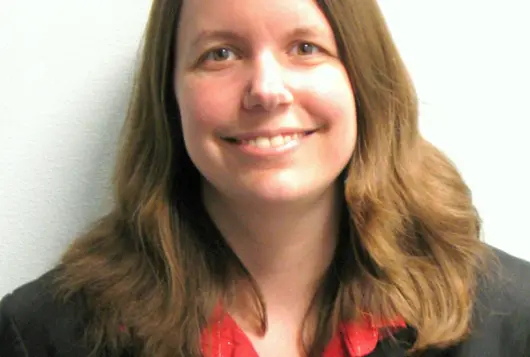
Dr. Laura Stern
DVM, DABVT, Associate Medical Director
Dr. Laura Stern has been with ASPCA Poison Control for 16 years, and is currently the Associate Medical Director. She graduated from Michigan State University and is boarded by the American Board of Toxicology and the American Board of Veterinary Toxicology. She has spoken throughout the US and authored multiple book chapters and articles on veterinary toxicology.